
Best Insurance Group, LLC Blog |
 Driving for rideshare services like Uber or Lyft can be a great way to earn extra income, but it also requires specific auto insurance coverage to ensure you are adequately protected. Standard personal auto insurance policies typically do not cover commercial activities, which means you need specialized insurance to stay safe and legal on the road. This article provides a comprehensive guide on how to get auto insurance for Uber or Lyft drivers, ensuring you have the necessary coverage to protect yourself and your passengers.
0 Comments
 Whether you're renting a car for a vacation, using a temporary vehicle, or borrowing one from a friend, it's essential to consider auto insurance to protect yourself and others on the road. Understanding your insurance options in these situations can save you from unexpected expenses and provide peace of mind. In this article, we'll explore the key aspects of auto insurance for temporary and rental cars.
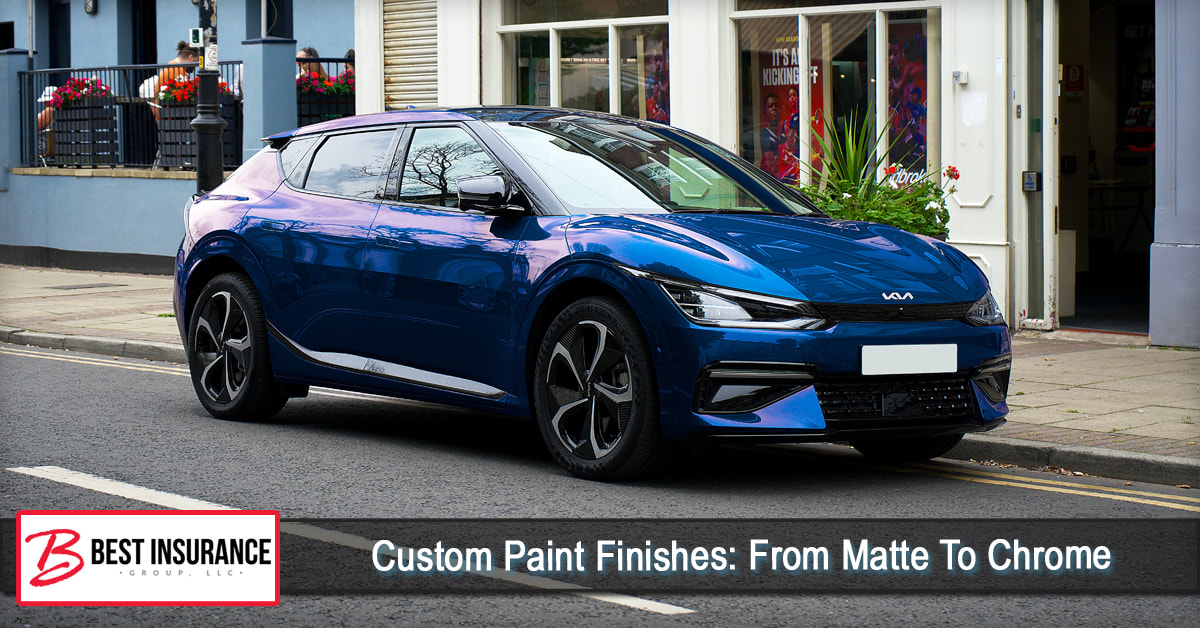 When it comes to personalizing your vehicle, one of the most striking modifications you can make is changing the paint finish. Custom paint finishes allow you to express your unique style and make your car stand out from the crowd. From the understated elegance of matte finishes to the dazzling allure of chrome, there's a wide range of options to choose from. In this blog post, we'll explore some popular custom paint finishes and provide insights into how they can impact your auto insurance.
 In today's world, where remote work and alternative transportation options are on the rise, many individuals find themselves driving fewer miles than ever before. If you're among the growing number of low-mileage drivers, you may be wondering how this lifestyle change can impact your auto insurance. Fortunately, there are options available to cater to your specific needs.
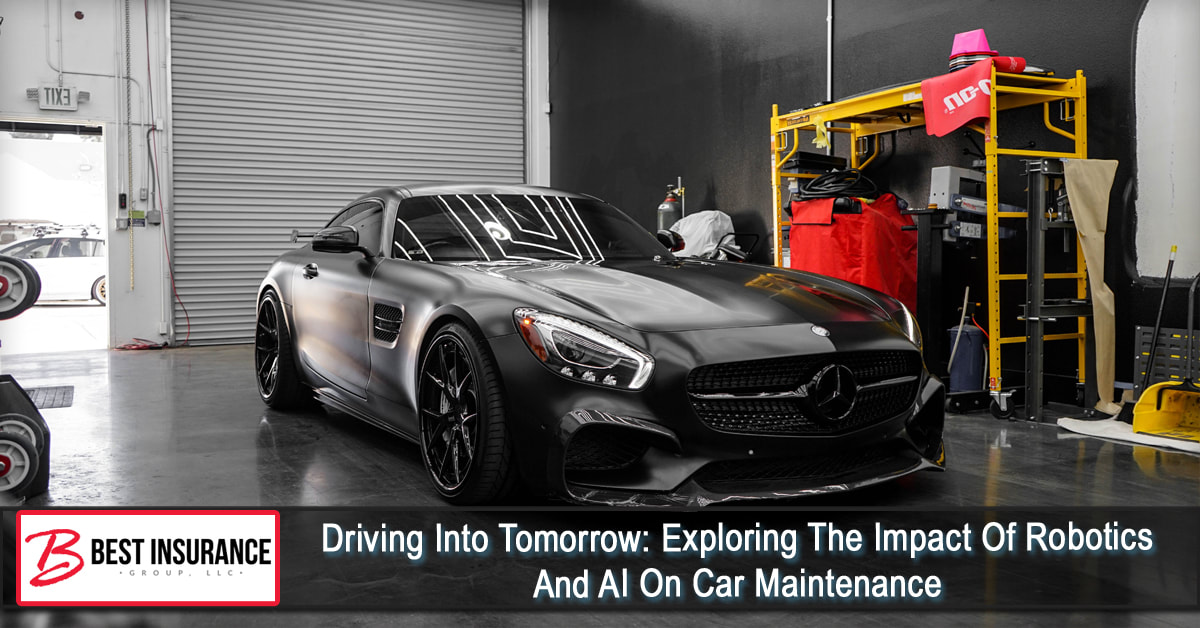 The automotive industry is rapidly evolving, not only in terms of vehicle technology but also in how cars are maintained and repaired. Traditional car repair methods are giving way to innovative approaches, with the integration of robotics and artificial intelligence (AI) playing a pivotal role. In this blog, we'll explore how robotics and AI are shaping the future of car repair, offering benefits such as increased efficiency, precision, and cost-effectiveness.
 When you consider all the potential hazards associated with driving, purchasing vehicle insurance is a sensible choice. However, it's important to keep in mind that having your car insured is also a requirement in many states.
The stigma associated with auto insurance is largely attributable to the uneducated consumer. Most automobile purchasers buy whichever auto insurance is least expensive without even reading the policy itself. A quality auto insurance policy is comparable to receiving a vaccination against the dangers of city driving. The following five suggestions will help make it easier for you to choose the best insurance policy.  When using your car and going on a trip, whether it is a short trip or a long trip, the last thing that one would expect to happen is to get into an accident and have to worry about the financial burden that comes with paying for the damages of another driver’s car and their injuries.
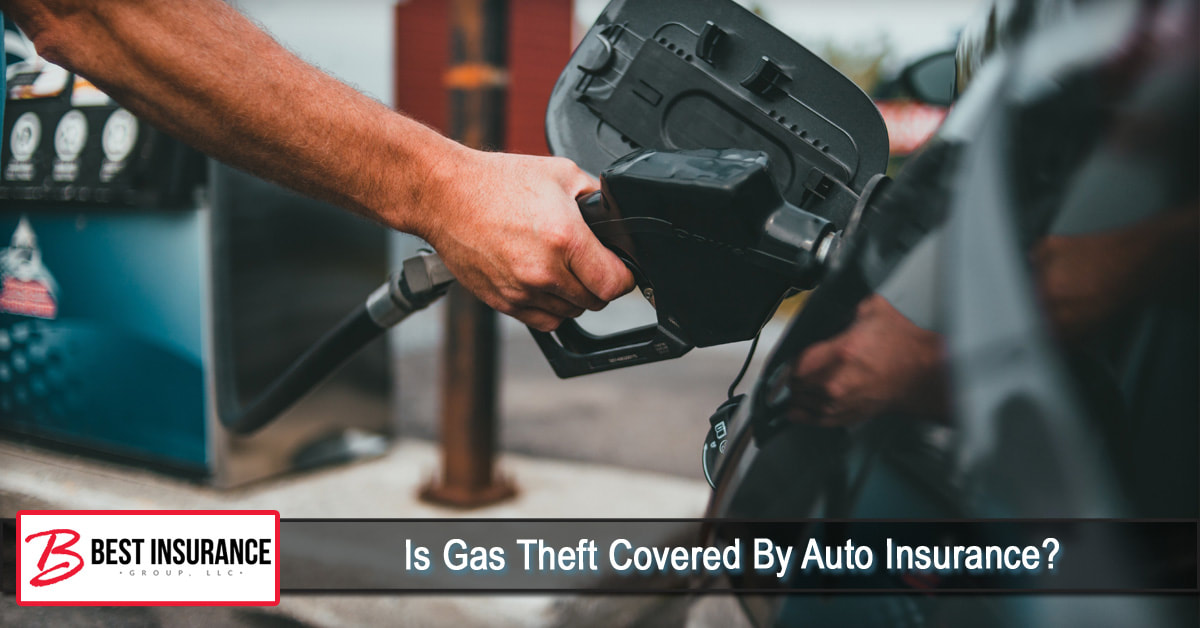 The short answer is Yes. Suppose a thief damages your vehicle while attempting to steal gas, like drilling holes in your gas tank or prying open your fuel door. In that case, repair work is covered under the comprehensive insurance portion of your car insurance policy.
If you have the right policy, insurance may cover damage claims caused by gas theft. Your car insurance may even pay you for the stolen gas.  You get into an accident, and suddenly your world is turned upside down. Even though you are certain that you have car insurance, you're still not sure if your policy covers your claim, and it can be a stressful and overwhelming time.
But to make it easy for you in this situation, this guide will help answer any questions you have to feel confident going forward with your claim.  If you’re on the road almost every day, commuting to work or school, it’s best to be financially covered. Aside from your current liability and collision coverage, there’s another called gap insurance.
Guaranteed auto protection (GAP) will reimburse if the vehicle is in total loss and the cost is less than the active balance from the lease. You may wonder, how does gap insurance work? Continue reading to know how. |
Contact Us(970) 674-5000 Archives
June 2024
Categories
All
|
 RSS Feed